
Types of Dermal Fillers Explained: A Guide to Modern Facial Rejuvenation

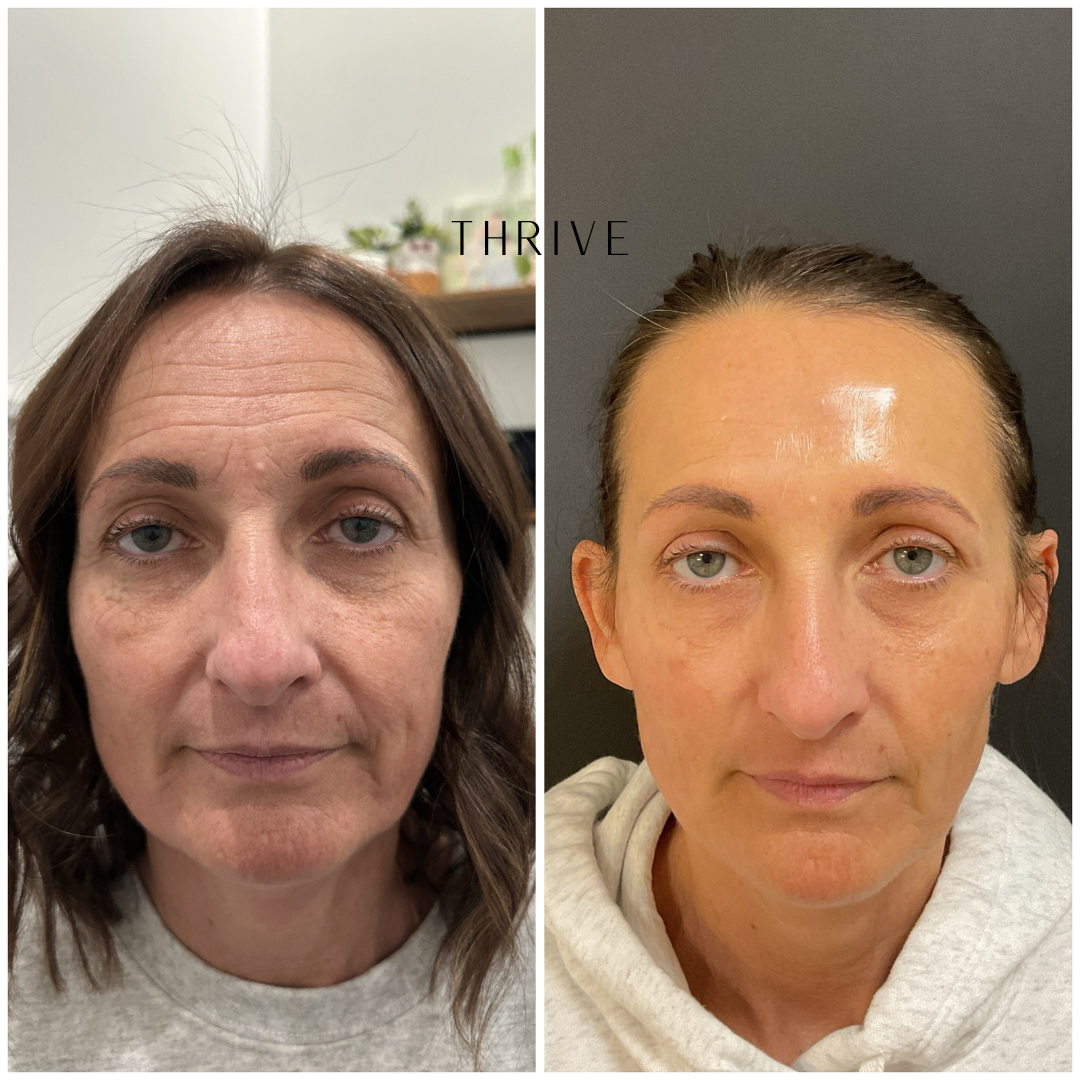
Dermal fillers have become one of the most popular non-surgical aesthetic treatments available today. These injectable fillers are designed to restore facial volume, soften wrinkles, improve facial contours, and support a more youthful appearance. As advancements in aesthetic medicine continue to evolve, there are now several types of dermal fillers available, each designed to address specific concerns and treatment goals.
Whether you're interested in treating deeper wrinkles, restoring facial volume, enhancing facial contours, or supporting collagen production, understanding the different options can help you make a more informed decision.
Key Takeaways
Different dermal fillers are designed for different goals, from restoring facial volume and smoothing wrinkles to enhancing contours and stimulating collagen production.
Hyaluronic acid fillers are the most common and versatile, while options like Radiesse, Sculptra, Bellafill, and fat transfer offer different benefits and longevity.
The right filler depends on your individual needs, including the treatment area, facial anatomy, desired results, and maintenance preferences.
How Dermal Fillers Work
Dermal fillers work by adding volume beneath the skin. Depending on the product selected, fillers may physically replace lost volume, attract water to the treatment area, stimulate natural collagen production, or combine multiple mechanisms for rejuvenation.
Over time, aging naturally reduces collagen production, elastin, and facial fat. This process can contribute to deeper facial wrinkles, sagging, volume loss, and changes in facial structure. Dermal filler treatment helps address these concerns by restoring support and improving facial harmony.
Common Areas Treated with Fillers
Facial fillers are commonly used in the following treatment areas:
Lips
Cheeks
Chin
Jawline
Temples
Under-eye hollows
Nasolabial folds
Marionette lines
Frown lines
Perioral lines around the mouth
Different areas often require different products based on tissue characteristics and treatment goals.
Why There Are Different Types of Dermal Fillers
Many patients are surprised to learn that there is no single "best" filler. Instead, there are multiple types of dermal fillers because different concerns require different approaches.
Different Fillers for Different Goals
Some fillers are designed primarily for:
Lip enhancement
Facial volume restoration
Jawline contouring
Treating deeper wrinkles
Collagen stimulation
Long-term rejuvenation
A product that works beautifully for the lips may not be ideal for the cheeks or jawline.
Factors That Influence Filler Selection
Several factors influence which filler a provider chooses, including:
Treatment area
Skin thickness
Degree of volume loss
Desired results
Facial anatomy
Age
Maintenance preferences
The goal is always to select the filler that best matches the patient's anatomy and aesthetic goals.
Hyaluronic Acid (HA) Fillers
What Are HA Fillers?
Hyaluronic acid fillers are the most commonly used injectable dermal fillers today.
Hyaluronic acid is a naturally occurring substance found throughout the body that helps maintain hydration, elasticity, and tissue support. HA fillers use a modified form of hyaluronic acid to restore volume and improve facial contours.
One of the reasons hyaluronic acid fillers remain so popular is that they offer immediate results while maintaining a natural appearance.
Popular Hyaluronic Acid Filler Brands
Some of the most recognized FDA approved dermal fillers in this category include:
Juvéderm
Restylane
RHA Collection
Revanesse
Each product family contains multiple fillers specifically designed for different facial areas.
Benefits of HA Fillers
Benefits of hyaluronic acid based fillers include:
Immediate results
Natural-looking outcomes
Versatility
Reversible treatment options
Minimal downtime
Excellent safety profile
Because HA fillers can be dissolved with hyaluronidase if necessary, many patients feel comfortable starting with this category.
Common Treatment Areas for HA Fillers
Common uses for hyaluronic acid fillers include:
Lip enhancement
Cheek augmentation
Chin contouring
Jawline definition
Nasolabial folds
Marionette lines
Under-eye correction
Treatment of fine lines and wrinkles
HA fillers are often the first choice for patients seeking facial rejuvenation with flexibility and customization.
Calcium Hydroxylapatite Fillers
What Is Calcium Hydroxylapatite?
Calcium hydroxylapatite is a naturally occurring mineral found within bones and teeth. In aesthetic medicine, it is used as a dermal filler ingredient that provides both immediate volume and long-term collagen stimulation.
The most well-known product in this category is Radiesse.
How Radiesse Works
Radiesse works through a dual-action mechanism.
Initially, the filler provides immediate volume and support. Over time, the calcium hydroxylapatite microspheres stimulate collagen production within the treated area.
This combination allows patients to enjoy both immediate improvement and longer-term rejuvenation.
Best Uses for Calcium Hydroxylapatite Fillers
Radiesse is commonly used for:
Jawline contouring
Chin enhancement
Cheek augmentation
Hand rejuvenation
Treating deeper wrinkles
Restoring structural support
Because of its lifting capacity, Radiesse is often chosen for patients seeking enhanced definition and contour.
Poly-L-Lactic Acid Fillers
What Is Poly-L-Lactic Acid?
Poly L lactic acid is a biostimulatory injectable that works differently than traditional fillers.
Unlike fillers that primarily add volume immediately, poly l lactic acid focuses on stimulating natural collagen production over time.
The most recognized product in this category is Sculptra.
How Sculptra Stimulates Collagen
Sculptra stimulates natural collagen production by creating a controlled inflammatory response within the skin.
Over several months, the body gradually builds new collagen, resulting in improved skin quality, facial volume, and structural support.
This gradual process often creates exceptionally natural-looking rejuvenation.
Who Is a Good Candidate for Sculptra?
Sculptra may be ideal for patients who:
Have generalized facial volume loss
Want gradual improvement
Prefer collagen stimulation
Desire long-term rejuvenation
Are focused on aging prevention
Many providers consider Sculptra one of the most effective treatments for restoring overall facial volume while preserving natural facial movement.
PMMA Fillers
What Are PMMA Fillers?
PMMA stands for polymethylmethacrylate.
Unlike temporary fillers, PMMA fillers contain microspheres that remain in the tissue long term while supporting collagen production.
The most recognized PMMA filler is Bellafill.
How Bellafill Works
Bellafill combines collagen gel with PMMA microspheres.
The collagen provides initial correction while the PMMA particles create long-term support by stimulating collagen production around the microspheres.
Considerations for Longer-Lasting Fillers
While Bellafill offers impressive longevity, patients should understand that longer-lasting fillers require careful planning.
Because PMMA cannot be easily dissolved, injector expertise becomes especially important when selecting and placing these products.
Fat Transfer for Facial Rejuvenation
How Facial Fat Transfer Works
Facial fat transfer, sometimes called facial fat grafting or fat injections, uses a patient's own fat to restore facial volume.
Fat is harvested from one area of the body through liposuction, purified, and then injected into targeted facial areas.
Because the material comes from the patient's own body, there is no risk of allergic reaction to the filler material itself.
Benefits and Limitations of Fat Transfer
Benefits include:
Natural tissue integration
Long-lasting results
Use of the patient's own tissue
Potential improvement in skin quality
Limitations include:
Surgical procedure requirements
Variable fat survival
Longer recovery time
Less predictability compared to injectable fillers
For some patients, facial fat grafting can provide excellent long-term facial rejuvenation.
Which Type of Dermal Filler Lasts the Longest?
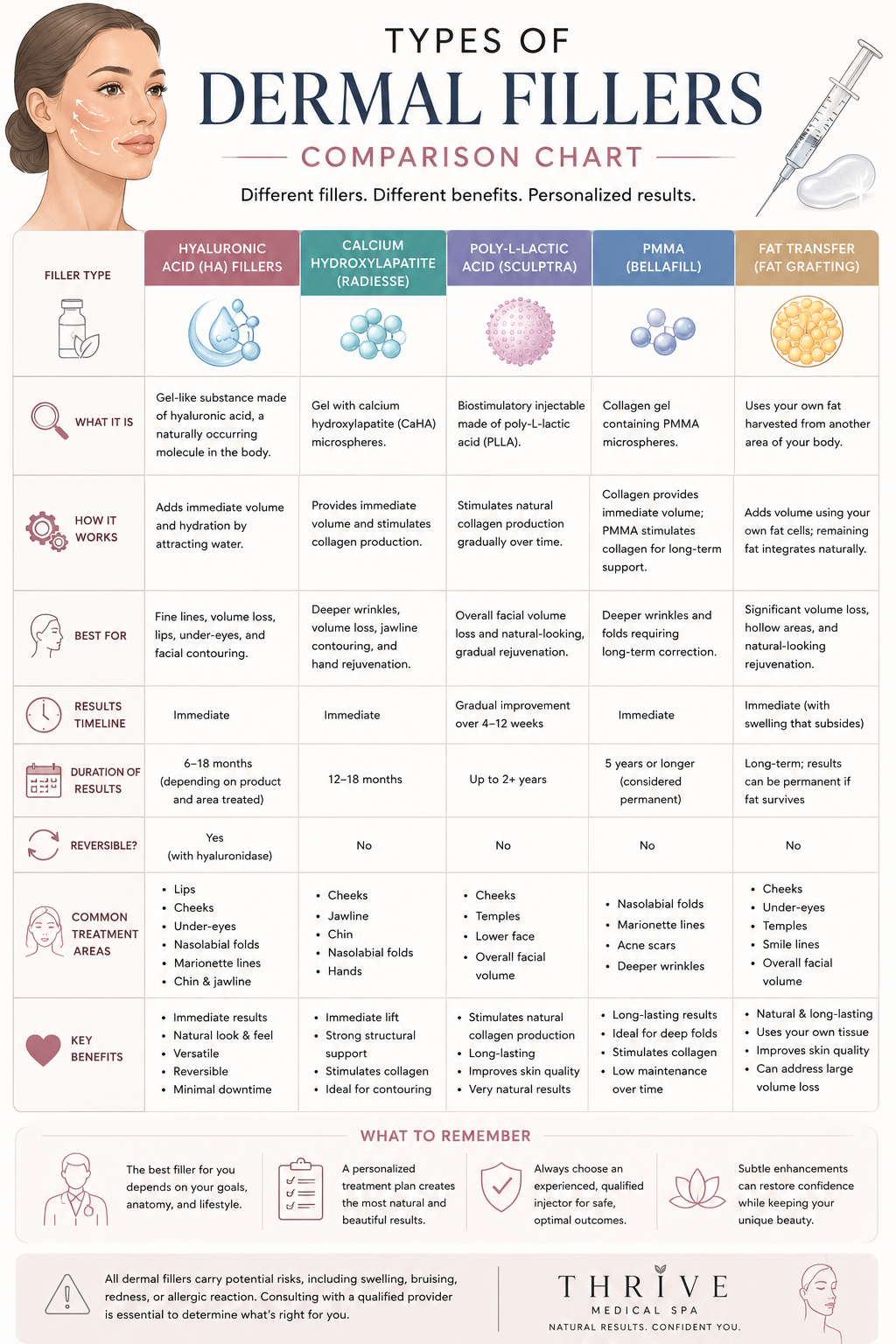
Longevity varies significantly among filler types.
Approximate timelines include:
HA fillers: 6–24 months
Radiesse: 12–18 months
Sculptra: Up to 2+ years
Bellafill: 5 years or longer
Fat transfer: Potentially permanent for surviving fat cells
While longer-lasting products may sound appealing, longevity should not be the only factor considered when selecting a filler.
Which Dermal Fillers Look the Most Natural?
Natural results depend far more on treatment planning and injector technique than on any single product.
That said, HA fillers and Sculptra are often favored for creating subtle, natural-looking enhancement.
The most natural results occur when:
Facial proportions are respected
Volume is added conservatively
Treatments support overall facial harmony
Providers understand facial anatomy
Natural rejuvenation should enhance existing features rather than drastically changing them.
How Providers Choose the Right Dermal Filler
Treatment Area
Different areas require different products.
For example:
Lips often benefit from softer HA fillers.
Jawlines may require firmer structural fillers.
Global facial volume loss may respond well to Sculptra.
Desired Results
Some patients want immediate improvement while others prioritize gradual collagen production.
Understanding treatment goals helps determine which filler category is most appropriate.
Facial Anatomy and Skin Quality
Every patient has unique anatomy.
Providers evaluate:
Bone structure
Fat distribution
Skin thickness
Degree of volume loss
Facial balance
These factors guide product selection.
Longevity and Maintenance Preferences
Some patients prefer temporary treatments with flexibility.
Others want longer-lasting correction and fewer maintenance appointments.
Treatment planning should reflect the patient's lifestyle and preferences.
Are Dermal Fillers Safe?
When administered by qualified providers, dermal fillers have an excellent safety profile.
Most FDA-approved dermal fillers have been extensively studied and used for many years.
Common Side Effects
Common side effects include:
Swelling
Bruising
Tenderness
Redness
Temporary firmness
Most side effects resolve within days to weeks.
Importance of Injector Experience
Injector experience remains one of the most important factors influencing safety and outcomes.
A skilled provider understands:
Facial anatomy
Product selection
Injection techniques
Complication management
Facial esthetics
Choosing an experienced injector is critical for achieving beautiful, natural-looking results.
Final Thoughts
Modern dermal fillers offer more options than ever before. From hyaluronic acid fillers and Radiesse to Sculptra, Bellafill, and facial fat grafting, there are numerous approaches to restoring facial volume and addressing signs of aging.
The best treatment is not determined by a single product but by selecting the right filler for the right patient. A personalized consultation allows providers to evaluate your goals, anatomy, and preferences to develop a treatment plan designed specifically for you.
Looking for Dermal Fillers in Cincinnati? Schedule Your Personalized Consultation Today
If you're considering dermal fillers in Cincinnati and want expert guidance on which treatment may be right for you, our team would love to help. During your consultation, we'll discuss your goals, evaluate your facial anatomy, and create a customized plan designed to support natural-looking facial rejuvenation.
About Thrive Medical Spa
Thrive Medical Spa is a premier aesthetic and wellness destination in Cincinnati, Ohio. We specialize in facial balancing, injectable dermal fillers, collagen stimulation, medical-grade skincare, and personalized treatment planning. Our philosophy is centered on achieving natural-looking results through thoughtful care, advanced techniques, and a comprehensive approach to facial rejuvenation.
Frequently Asked Questions (FAQs)
What are the different types of dermal fillers?
The main types of dermal fillers include hyaluronic acid fillers, calcium hydroxylapatite fillers, poly-L-lactic acid fillers, PMMA fillers, and facial fat transfer. Each category works differently and may be better suited for specific treatment goals.
What is the most common type of dermal filler?
Hyaluronic acid fillers are the most common type of dermal filler used today. They offer versatility, immediate results, reversibility, and excellent safety, making them popular for many facial rejuvenation treatments.
Which dermal filler lasts the longest?
Among FDA-approved dermal fillers, Bellafill is one of the longest-lasting options and may provide results for several years. Fat transfer can potentially last even longer, depending on how much transferred fat survives.
What type of filler is best for lips?
HA fillers are generally considered the best type of filler for lips. Their soft consistency and flexibility make them ideal for enhancing lip shape, volume, and hydration while maintaining a natural appearance.
What type of filler is best for cheeks?
Several fillers can work well for cheeks depending on treatment goals. HA fillers, Radiesse, and Sculptra are commonly used to restore facial volume and improve cheek support.
What type of filler is best for jawline contouring?
Jawline contouring often benefits from fillers that provide structure and support, such as Radiesse or firmer HA fillers. The best choice depends on facial anatomy and the desired degree of definition.
How do providers choose the right filler?
Providers choose the right filler by evaluating the treatment area, desired results, facial anatomy and skin quality, and longevity preferences. A personalized consultation helps determine which product best supports safe, natural-looking results.