
What Is Red Light Therapy? Benefits, Uses, and What the Science Says
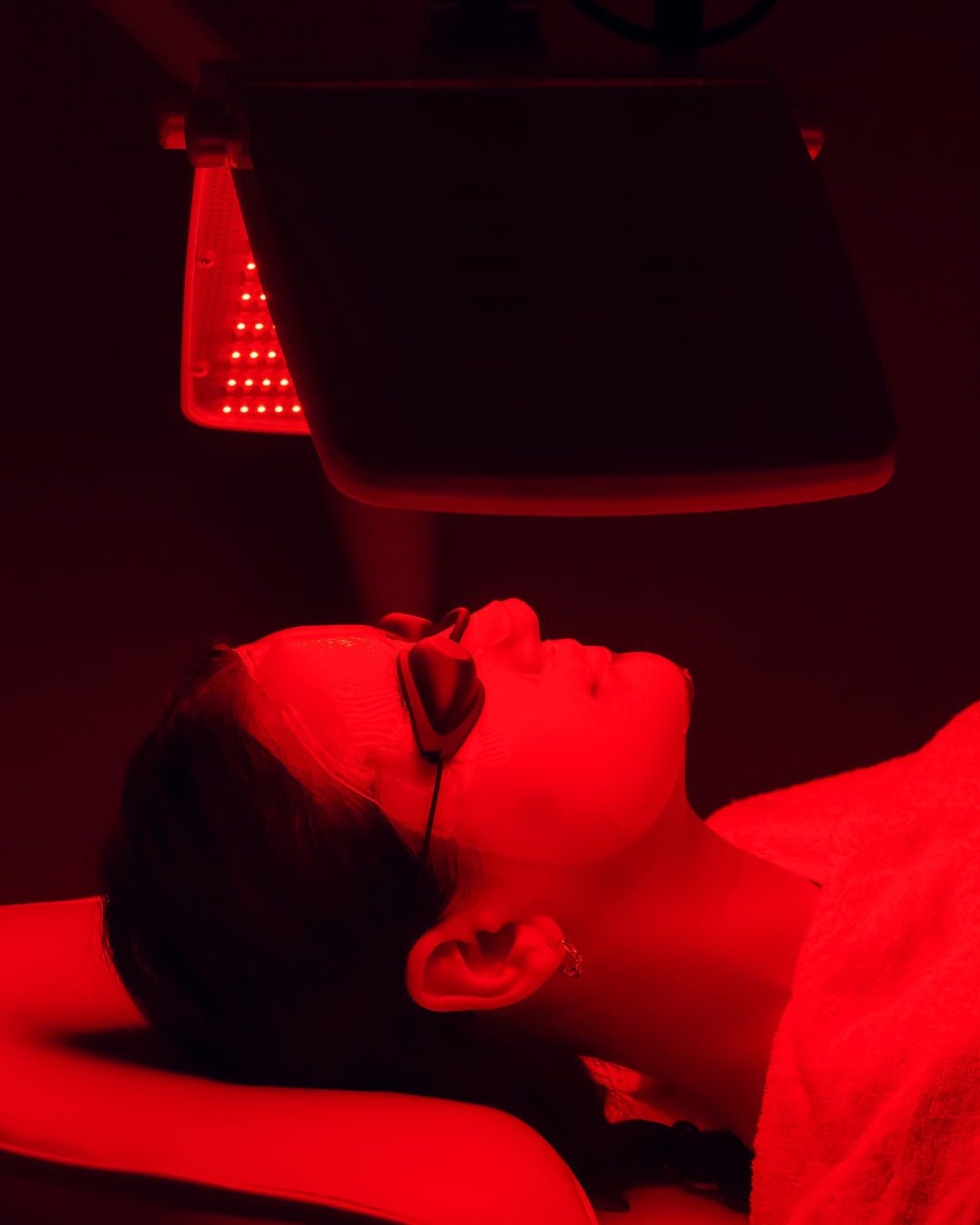
Red light therapy has become one of the most talked-about wellness and skin health technologies in medical spas and clinical environments alike. From improving skin quality to supporting muscle recovery and calming inflammation, this light-based therapy continues to gain attention for its wide range of applications. At Thrive Med Spa, clients frequently ask what red light therapy is, how it works, and whether the science truly supports its growing popularity.
Often referred to as photobiomodulation, red light therapy uses specific wavelengths of visible red and near-infrared light to stimulate biological processes inside the body. Rather than heating or damaging the skin, this therapy works at the cellular level to encourage energy production, circulation, and tissue repair. With increasing clinical evidence and ongoing research, red light therapy has become a trusted option for those seeking non-invasive support for skin health, recovery, and overall wellness.
What Is Red Light Therapy?
Red light therapy is a non-invasive treatment that exposes the body to low-level red or near-infrared light delivered through specialized devices. The goal is to allow light energy to penetrate the skin and reach deeper tissues where it can influence cellular activity.
This form of therapy is different from ultraviolet light used in tanning beds or lasers designed to resurface the skin. Red light therapy does not burn or damage the skin surface. Instead, it is designed to be gentle and restorative while encouraging natural biological responses associated with healing and rejuvenation.
Medical spas often incorporate red light therapy into wellness and aesthetic programs because it can be used on the face or body and combined with other treatments to enhance overall results.
How Does Red Light Therapy Work?
Red light therapy works by delivering light at specific wavelengths that can be absorbed by structures inside cells called mitochondria. Mitochondria are responsible for producing cellular energy, which is necessary for tissues to repair themselves and function efficiently.
When red light enters the tissue, it may stimulate mitochondria to produce more energy, helping cells perform their natural repair processes more effectively. This increased energy production is believed to play a role in improved collagen synthesis, reduced inflammation, enhanced blood circulation, and faster tissue regeneration.
The science behind photobiomodulation suggests that light exposure can influence signaling pathways inside cells, which may support skin renewal, muscle recovery, and pain modulation without the need for needles or downtime.
What Are the Potential Benefits of Red Light Therapy?
Skin Health + Appearance
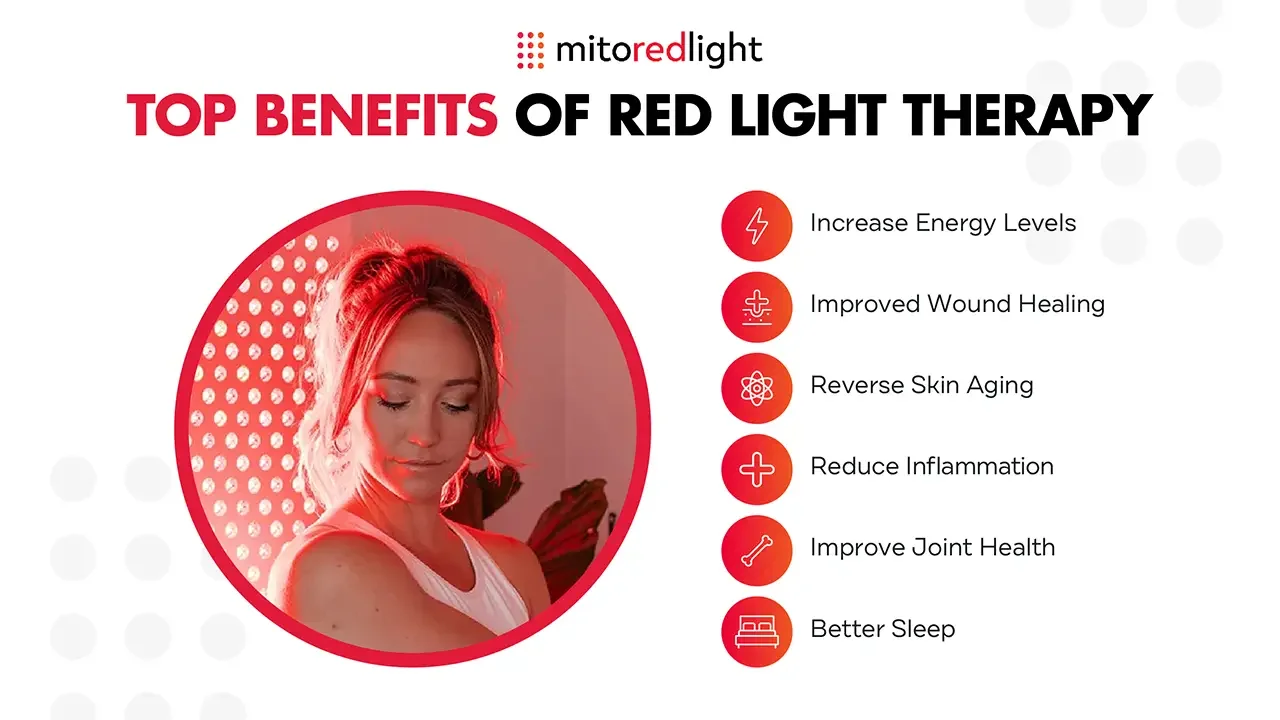
One of the most popular reasons people pursue red light therapy is for skin rejuvenation. By stimulating collagen production, this therapy may help improve skin firmness, texture, and overall radiance. Collagen is a structural protein that keeps skin looking smooth and youthful, and natural production declines with age.
Red light therapy is also commonly used as part of acne management programs. Calming inflammation and supporting circulation can help create a healthier skin environment and complement other professional treatments.
In addition to facial benefits, some individuals explore red light therapy for hair growth support. By increasing blood flow to the scalp and stimulating cellular activity, red light may help encourage healthier hair follicles over time.
Muscle Recovery + Joint Comfort
Athletes and active individuals often incorporate red light therapy into their recovery routines. Increased blood circulation and reduced inflammation may help ease muscle soreness and joint discomfort following workouts or physical strain.
This therapy has also been explored for pain management, particularly for people dealing with chronic tension or stiffness. By supporting tissue health and calming inflammatory pathways, red light therapy may offer a gentle complement to other recovery-focused modalities.
Wound Healing + Tissue Repair
Red light therapy has been studied for its role in healing and tissue regeneration. By supporting cellular energy production and circulation, it may help wounds heal more efficiently and assist the body in repairing stressed or damaged tissues.
Clinical environments have explored photobiomodulation for post procedure recovery and injury rehabilitation, highlighting its versatility across both aesthetic and medical applications.
Common Uses of Red Light Therapy in Medical Spas
Medical spas frequently integrate red light therapy into facial treatments, body recovery programs, and wellness services. It may be offered as a standalone session or paired with procedures such as microneedling, chemical peels, or injectable treatments to support skin healing and enhance results.
Other common uses include post-workout recovery, joint comfort programs, scalp support for hair growth, and general wellness experiences designed to promote relaxation and circulation.
What Does the Science Say about Red Light Therapy?
Research into red light therapy has expanded significantly over the past several decades. Studies have examined its effects on inflammation, pain perception, tissue healing, and skin quality. Many investigations suggest that photobiomodulation can influence cellular metabolism and circulation in ways that may support recovery and rejuvenation.
Some devices used in clinical settings are FDA-cleared for specific indications, such as temporary relief of muscle pain or improved circulation. While FDA clearance does not mean a device treats every possible condition, it does indicate that safety and performance standards have been evaluated for certain uses.
Ongoing research continues to explore treatment effectiveness across different wavelengths, exposure times, and clinical applications. As with many wellness technologies, results can vary based on individual health factors and treatment protocols.
Is Red Light Therapy Safe?
When performed using professional-grade devices and appropriate protocols, red light therapy is generally considered safe for most individuals. Because the treatment does not involve ultraviolet radiation or heat-based injury to the skin, the risk of surface damage is low.
Safety guidelines typically include wearing eye protection when treating areas near the face, following recommended session lengths, and avoiding use over certain medical conditions unless cleared by a healthcare provider.
People who are pregnant, have photosensitive conditions, or take medications that increase light sensitivity should consult a medical professional before beginning treatment.
At Home Red Light Devices vs. Professional Treatments
Consumer devices designed for home use have become increasingly popular. These tools can provide convenience, but they often deliver lower power levels and may not achieve the same tissue penetration as professional systems used in medical spas.
Professional treatments typically utilize higher-quality devices with carefully calibrated wavelengths and treatment protocols guided by trained staff. This can result in more consistent exposure and potentially more noticeable outcomes over time.
For individuals seeking targeted support for skin health, pain management, or recovery, professional sessions may offer a more comprehensive approach.
What to Expect During a Red Light Therapy Session
A red light therapy session is relaxing and straightforward. Clients are positioned in front of or beneath a light panel while the targeted area is exposed for a set period of time. The sensation is usually warm but not hot, and most people find the experience calming.
Sessions can focus on the face, joints, muscles, or full body, depending on the system used. There is no downtime afterward, so clients can return to their daily activities immediately.
Is Red Light Therapy Right for You?
Red light therapy may be a good fit for individuals interested in supporting skin health, collagen production, muscle recovery, or general wellness. It can also appeal to those seeking non-invasive options with minimal disruption to daily life.
However, it is not a substitute for medical treatment, and those with underlying health conditions should consult a provider before starting. At Thrive Med Spa, we take a personalized approach and help clients decide whether red light therapy aligns with their goals and overall care plan.
Interested in Trying Red Light Therapy? Experience It at Thrive Med Spa
Red light therapy offers a science-backed way to support healing, circulation, and rejuvenation across the body. When incorporated into a thoughtful wellness program, it can become a valuable tool for maintaining vitality and confidence.
About Thrive Medical Spa
As your premier med spa team, Thrive Medical Spa offers red light therapy in Greater Cincinnati and is dedicated to delivering advanced aesthetic and wellness services in a welcoming, elevated environment. Our team focuses on personalized treatment plans, evidence-based technology, and education-driven care to help clients feel their best from the inside out.
Frequently Asked Questions (FAQs)
What is red light therapy used for?
Red light therapy is commonly used to support skin health, collagen production, muscle recovery, joint comfort, hair growth programs, and overall wellness.
How does red light therapy work?
Red light therapy works by delivering specific wavelengths of light that stimulate mitochondria inside cells, encouraging energy production and natural repair processes.
Is red light therapy actually effective?
Research suggests that photobiomodulation can influence inflammation, circulation, and tissue health, though results vary depending on the individual and treatment protocol.
How long does it take to see results from red light therapy?
Some people notice changes in skin glow or muscle comfort within a few sessions, while longer-term benefits, such as collagen improvement, may take several weeks of consistent treatment.
How often should you do red light therapy?
Red light therapy frequency depends on goals, but many people schedule sessions two to four times per week during initial treatment phases.
What should I expect during a red light therapy session?
You will relax in front of a light panel while the targeted area is exposed for a set time. The experience is comfortable and requires no downtime.
How long does a red light therapy session last?
Most red light therapy sessions range from 10 to 20 minutes, depending on the device and treatment area.
Can red light therapy be combined with other treatments?
Yes, red light therapy is often paired with facials, microneedling, injectable treatments, or recovery-focused services to support healing.
Are there any side effects of red light therapy?
Red light therapy side effects are uncommon but may include mild warmth or temporary redness that resolves quickly.
Can red light therapy damage your skin or eyes?
When used properly with eye protection and professional guidance, the risk of skin or eye damage from red light therapy is low.
Who should avoid red light therapy?
Individuals with photosensitive conditions, those taking light-sensitizing medications, or people with certain medical conditions should consult a healthcare provider before trying red light therapy.
Is red light therapy safe for long-term use?
When performed under appropriate protocols and supervision, red light therapy is generally considered safe for long-term wellness programs.