
What Is Cold Water Immersion Therapy & What Are the Health Benefits?
Cold water immersion therapy has become one of the most talked-about recovery tools in wellness and sports medicine circles. From elite athletes soaking in ice baths after competition to everyday wellness seekers experimenting with cold showers, interest in this form of cold exposure continues to grow. At Thrive Med Spa, clients often ask what cold water immersion therapy actually is and whether it can truly help with muscle recovery, inflammation, and overall resilience.
Cold water immersion therapy refers to submerging part or all of the body in cold water for a short period of time. This practice is designed to rapidly lower skin and surface muscle temperature, prompting physiological responses that may support blood flow regulation, nervous system activation, and recovery following intense exercise. When used thoughtfully, water immersion therapy can become a powerful complement to a well-rounded wellness routine.
Key Takeaways
Cold water immersion therapy is a structured recovery practice that uses brief exposure to cold water to trigger physiological responses related to circulation, muscle recovery, and nervous system activation.
Its benefits extend beyond soreness relief, with many people using cold water immersion to support inflammation management, pain modulation, and mental resilience after physical or emotional stress.
Results depend on thoughtful use and individual needs, making professional guidance and controlled environments especially valuable for safety, consistency, and personalized wellness goals.
What Is Cold Water Immersion Therapy?
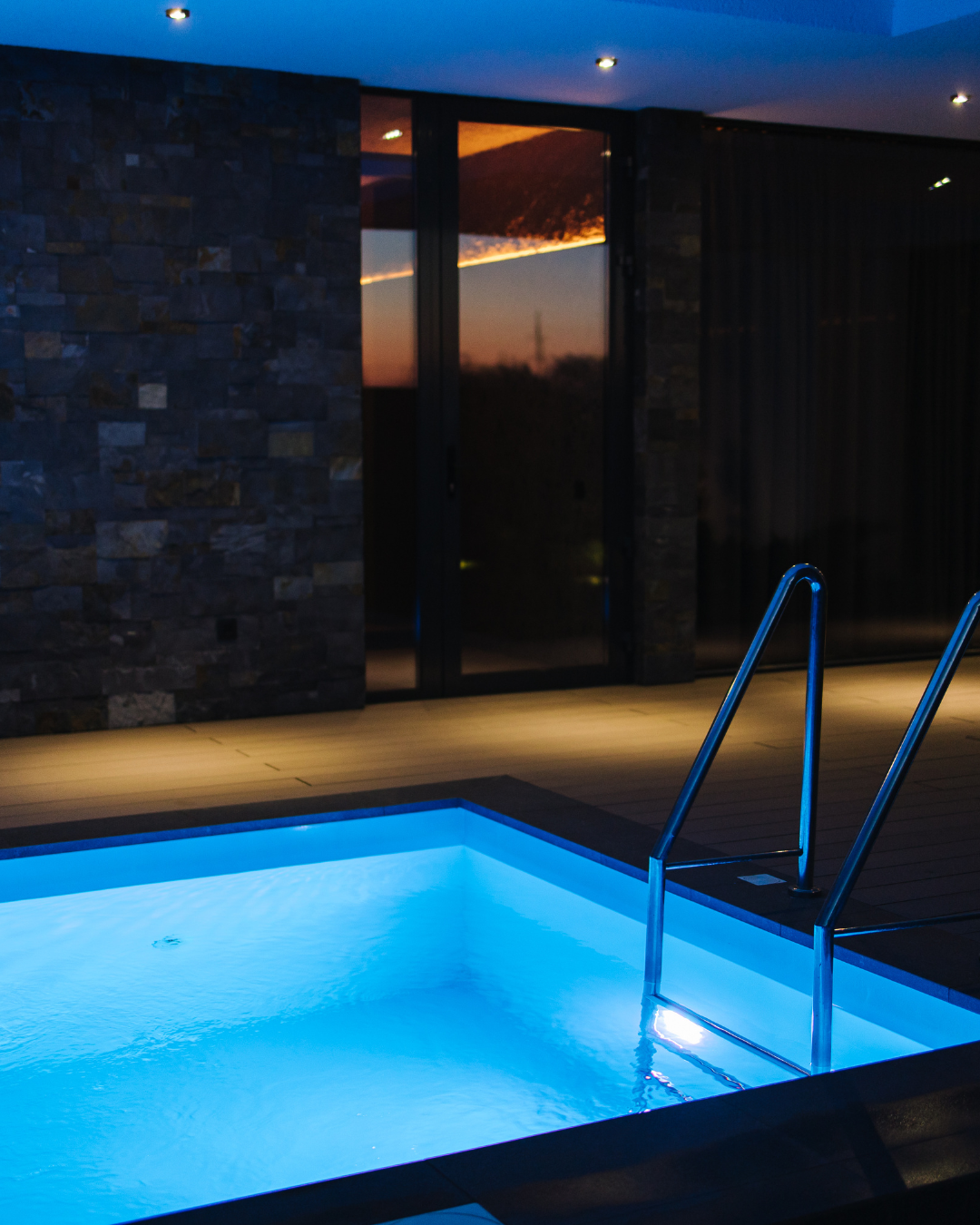
Cold water immersion therapy involves placing the body in ice-cold water or very cold baths, typically ranging from about 45 to 60 degrees Fahrenheit. The immersion may occur in specialized tubs, plunge pools, or controlled cold plunge systems at a medical spa.
Unlike casually splashing cold water on the face or ending a shower on a cool note, cold water immersion therapy is intentional. Time, temperature, and safety are carefully considered to encourage the body’s natural adaptive responses while avoiding excessive exposure.
How Cold Water Immersion Therapy Works in the Body
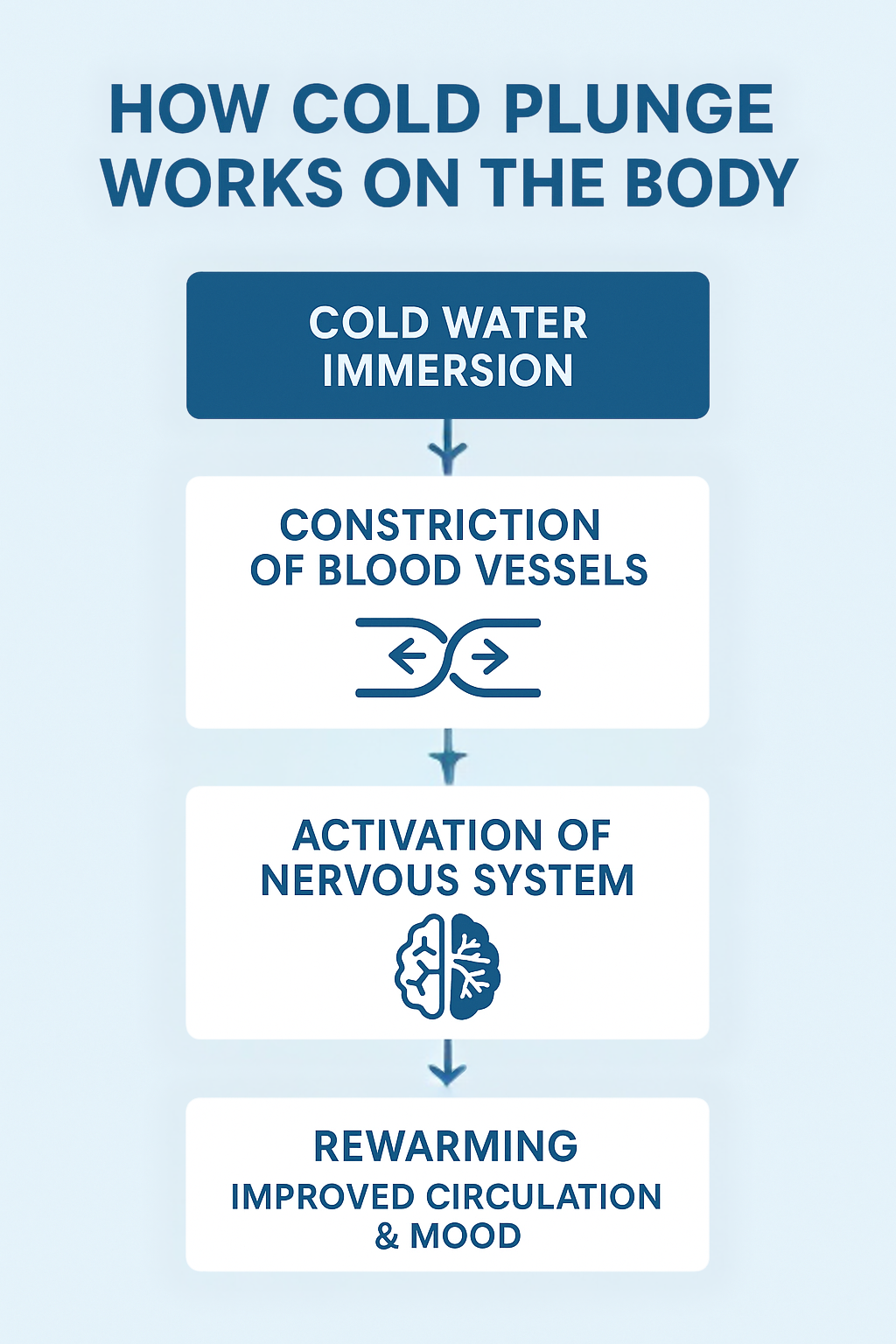
When the body enters cold water, skin receptors immediately signal the brain that body temperature is dropping. Blood vessels near the surface constrict, which temporarily slows blood flow to the skin and extremities while helping protect core temperature.
Heart rate and breathing may increase briefly, and stress-related hormones are released as part of the body’s survival response. After leaving the cold bath, circulation rebounds and blood flow increases again as tissues warm. These cycles of constriction and dilation are believed to play a role in how cold therapy influences recovery and tissue response after post exercise fatigue or exercise induced muscle damage.
Health Benefits of Cold Water Immersion Therapy
Muscle Recovery and Reduced Soreness
One of the most popular reasons people try cold water immersion is for treating muscle soreness after workouts. Athletes frequently use ice baths or cold plunge sessions following intense exercise to help minimize delayed onset muscle soreness and stiffness.
Cooling the tissues may temporarily reduce metabolic activity and swelling in worked muscles. When circulation returns afterward, it may assist with clearing byproducts associated with muscle fatigue. For individuals training frequently, cold water immersion therapy can be part of a strategy to support faster perceived recovery between sessions.
Support for Inflammation and Swelling Management
Cold therapy has long been used to manage swelling after physical strain. Exposure to cold water can calm inflammatory responses in tissues stressed by exercise, helping clients feel more comfortable during recovery windows.
While cold water immersion therapy is not a cure-all, many people incorporate it into wellness plans focused on managing soreness, joint discomfort, and swelling associated with active lifestyles.
Pain Modulation and Sensory Relief
Cold exposure can influence how the nervous system processes pain signals. Cooling the skin and muscles may temporarily dull discomfort, providing a sense of relief after strenuous activity.
This sensory reset is one reason cold baths and ice water sessions are commonly used in sports medicine settings following competition or training blocks.
Stress Response and Mental Reset
Beyond physical recovery, cold water immersion therapy challenges the mind. Entering cold water activates the body’s stress response, encouraging controlled breathing and mental focus. Over time, repeated exposure may help individuals feel more resilient when facing everyday stress.
Many people report leaving a session feeling energized, clear-headed, and emotionally refreshed, making cold therapy appealing not just for athletes but for anyone seeking a mental reset.
What the Research Says (and What It Doesn’t)
Scientific interest in cold water immersion therapy has increased in recent years, especially in athletic populations. Some studies suggest benefits related to soreness perception, swelling, and short-term recovery after intense exercise.
However, research is ongoing, and not all findings are universal. Results can vary based on water temperature, length of exposure, frequency, and the type of training performed. Cold therapy is best viewed as one tool within a larger recovery and wellness plan rather than a stand-alone solution.
What Does Cold Water Immersion Therapy Feel Like?
For first-time participants, stepping into ice cold water can feel intense. The initial shock often includes sharp cold sensations, tingling skin, and rapid breathing. With slow, steady breaths, most people notice the sensation settle into a manageable chill or numbing coolness within the first minute.
After exiting the cold bath, warmth gradually returns and blood flow increases, sometimes accompanied by a rush of energy or calm. Experiences differ depending on tolerance, body composition, and previous exposure to cold showers or plunges.
Is Cold Water Immersion Therapy Safe?
Cold water immersion therapy can be safe for many healthy adults when performed responsibly and in controlled conditions. It is important to keep sessions brief, avoid extreme temperatures, and always listen to your body.
Individuals with heart conditions, circulation disorders, high blood pressure, or sensitivity to cold should consult a medical professional before trying cold exposure. Safety also includes entering and exiting carefully, never plunging alone in unfamiliar environments, and stopping immediately if dizziness or chest discomfort occurs.
Who Might Benefit Most from Cold Water Immersion Therapy?
Cold water immersion therapy may appeal to a wide range of people, including:
• Athletes and active individuals managing post exercise soreness
• People recovering from intense training cycles
• Wellness seekers interested in circulation and stress resilience
• Those exploring cold therapy for overall vitality
• Clients seeking non invasive recovery modalities
Personal health history and goals should always guide participation.
Is Cold Water Immersion Therapy Right for You?
Cold water immersion therapy may be a good fit if you enjoy invigorating wellness experiences, train regularly, or want to experiment with recovery-focused techniques. It may not be appropriate for everyone, particularly those with cardiovascular concerns or nerve disorders.
At Thrive Med Spa, we prioritize personalized care and education. Our team can help you determine whether cold water immersion therapy aligns with your lifestyle and can integrate it with other services designed to support circulation, muscle health, and full body wellness.
Thinking About Trying Cold Water Immersion? Experience It at Thrive Medical Spa
Cold water immersion therapy is more than a wellness trend. When practiced thoughtfully, it can become a refreshing addition to a balanced recovery routine that supports both body and mind.
About Thrive Medical Spa
Located in Mariemont of Greater Cincinnati, Thrive Medical Spa offers evidence-based aesthetic and wellness services in an elevated, welcoming environment. Our team focuses on customized treatment plans, advanced technology, and thoughtful care designed to help clients feel confident, resilient, and energized from the inside out.
Frequently Asked Questions (FAQs)
What is cold water immersion therapy?
Cold water immersion therapy is the practice of submerging the body in cold water for short periods to stimulate physiological responses related to circulation, recovery, and stress adaptation.
How is cold water immersion therapy different from a cold plunge?
Cold water immersion therapy is the broader category, while a cold plunge is one specific way to perform it using a dedicated tub or pool.
What health benefits are associated with cold water immersion therapy?
Commonly discussed benefits of cold water immersion therapy include muscle recovery, reduced soreness, swelling management, stress resilience, and post-exercise refreshment.
Can cold water immersion therapy reduce inflammation or swelling?
Yes, cold water immersion therapy may help calm inflammatory responses after intense activity, though research is still evolving.
Who should avoid cold water immersion therapy?
Before trying cold water immersion therapy, people with heart conditions, circulation disorders, high blood pressure, or cold sensitivity should consult a medical provider first.
How cold is the water used in cold water immersion therapy?
Most cold water immersion therapy sessions use water between 45 and 60 degrees Fahrenheit.
How long does a typical cold water immersion therapy session last?
Many people stay in for one to three minutes, especially at colder temperatures.
How often can you do cold water immersion therapy?
Frequency varies by individual goals, but many people incorporate cold water immersion therapy several times per week.
Is cold water immersion therapy better in a professional setting or at home?
A professional setting for cold water immersion therapy offers controlled temperatures, sanitation, and guidance, which can be especially helpful for beginners or those with specific wellness goals.