
What Is a Cold Plunge and Why Do People Do It?
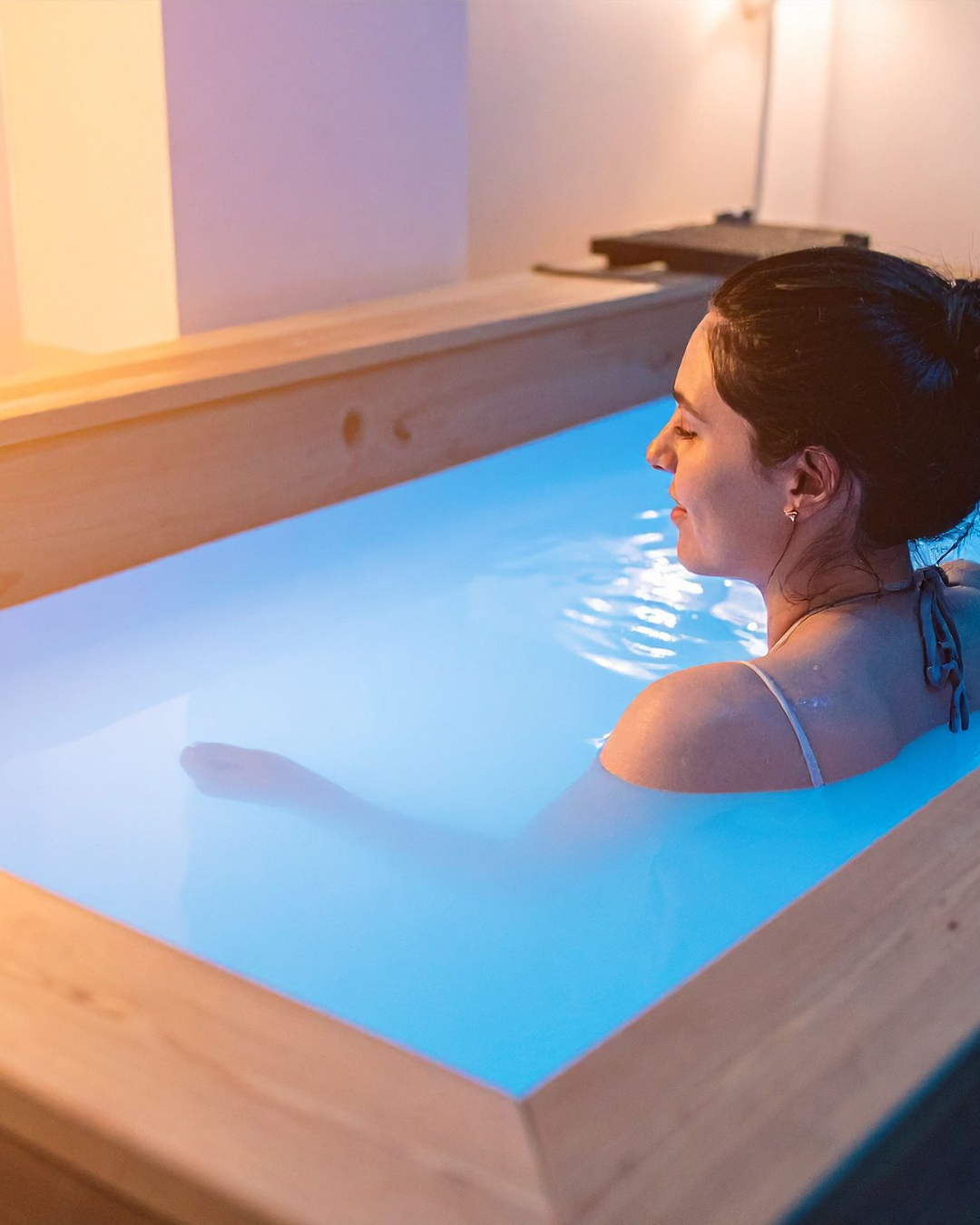
Cold plunging has moved from elite sports medicine facilities into wellness spaces and medical spas across the country. Whether you have seen athletes stepping into ice baths after training or influencers sharing their cold exposure routines, the interest is growing fast. At Thrive Med Spa, clients often ask what a cold plunge actually is and what benefits it may offer for recovery, circulation, and overall wellness.
A cold plunge refers to brief immersion in cold water, typically between 45 and 60 degrees Fahrenheit. This form of cold water immersion is designed to rapidly lower skin and surface muscle temperature, triggering physiological responses that may support muscle recovery, blood flow changes, and nervous system regulation. People pursue cold therapy for many reasons, from easing soreness to boosting resilience and supporting their immune system.
Key Takeaways
Cold plunging is a short, controlled form of cold water immersion that may support muscle recovery, circulation, and nervous system regulation when done safely and consistently.
The benefits are both physical and mental, with many people using cold plunges to manage post-workout soreness, improve circulation, and build stress resilience through controlled cold exposure.
A professional medical spa setting offers added safety and guidance, including regulated temperatures, clean systems, and personalized recommendations, which can be especially helpful for beginners or those with specific wellness goals.
What Is a Cold Plunge?
A cold plunge is a controlled form of cold exposure in which a person submerges part or all of their body in cold water for a short period of time. It is similar to taking a cold shower or using ice baths, but the temperature and duration are more deliberate and consistent.
The goal is to expose the body to cold temperatures long enough to activate specific biological responses without staying in so long that safety becomes a concern. Many modern cold plunge systems maintain a steady temperature and include filtration and sanitation features, making them cleaner and more reliable than improvised tubs filled with ice.
Why Do People Use Cold Plunges?
People turn to cold plunging for both physical and mental reasons. Research in sports medicine and recovery science has helped popularize this practice among athletes, while wellness-focused individuals enjoy the energizing and restorative feeling that often follows a session.
Muscle Recovery and Physical Relief
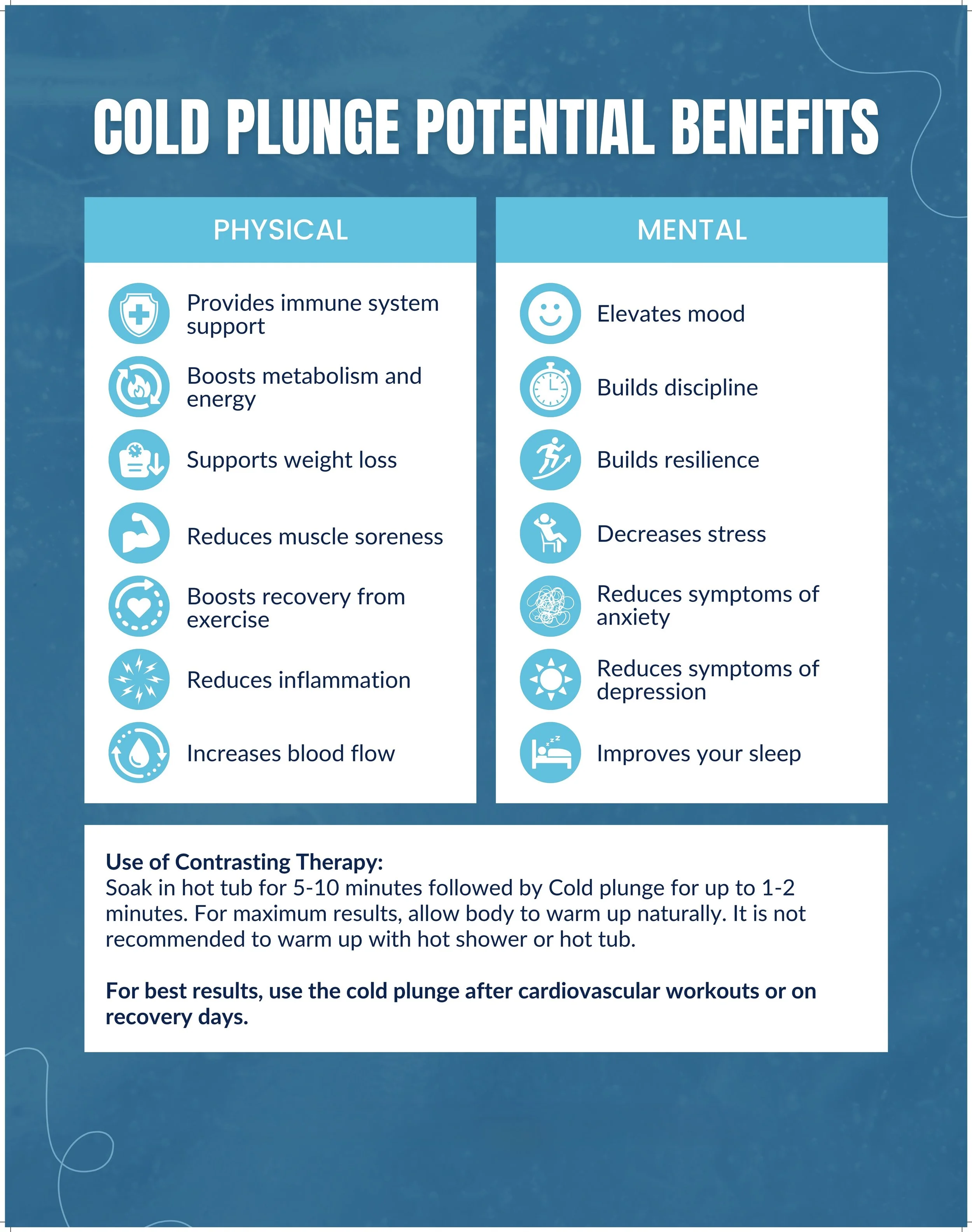
Cold plunges are commonly used to support muscle recovery after workouts. Cold water immersion may help minimize muscle soreness and delayed onset muscle soreness by temporarily slowing blood flow to overworked areas and calming inflammatory responses. When you exit the plunge and warm back up, circulation increases again, potentially helping flush metabolic byproducts from tired muscles.
Athletes and active individuals often use cold therapy to manage stiffness, joint discomfort, and general post exercise fatigue. For those training frequently, cold plunge benefits can include faster perceived recovery between sessions.
Stress Response and Mental Resilience
Stepping into cold water challenges both the body and mind. The sudden temperature change activates the nervous system and can sharpen focus and alertness. Over time, many people feel that repeated cold exposure improves their ability to remain calm during stressful situations.
This mental training aspect is one reason cold plunging is associated with improved mood, confidence, and resilience. Learning to breathe slowly and stay relaxed while the body adjusts to the cold can be surprisingly empowering.
Circulation and Temperature Regulation
Cold water causes the body’s blood vessels near the skin to constrict, which temporarily slows blood flow to the surface. This process, called vasoconstriction, helps preserve core body temperature. When you leave the plunge, the body warms itself, and blood vessels reopen, increasing circulation throughout the tissues.
These shifts in blood flow and body temperature are part of why people believe cold plunges may support cardiovascular conditioning and temperature regulation over time.
How Does a Cold Plunge Affect the Body?
When you enter cold water, your body responds quickly. Skin receptors sense the drop in temperature and send signals to the brain, triggering rapid breathing, increased heart rate, and constriction of surface blood vessels. Core organs remain protected as circulation shifts inward.
Hormones and neurotransmitters associated with alertness and mood may rise, which explains the energized feeling many people report afterward. Repeated exposure can lead to adaptation, making the experience feel more manageable and potentially strengthening the body’s response to environmental stressors.
Cold plunging may also influence blood pressure in the short term due to vessel constriction, which is why individuals with high blood pressure or cardiovascular conditions should speak with a medical professional before beginning.
What Does a Cold Plunge Feel Like?
Most first-time users describe the initial sensation as intense but brief. The first 30 seconds can include sharp, cold, tingling sensations and a strong urge to breathe quickly. With slow, controlled breathing, many people find the feeling settles into a numb or cool pressure.
After exiting the plunge, warmth gradually returns, often accompanied by a rush of circulation and a sense of clarity or calm. Each person experiences cold water differently depending on tolerance, body composition, and prior exposure.
Is Cold Plunging Safe?
Cold plunging can be safe for many healthy adults when done thoughtfully and in a controlled environment. It is important to cold plunge safely by keeping sessions short, avoiding extreme temperatures, and listening to your body.
Those with heart conditions, circulation disorders, high blood pressure, or other medical concerns should consult a healthcare provider first. Safety also includes entering and exiting carefully to prevent slips, never plunging alone in unfamiliar settings, and stopping immediately if dizziness, chest pain, or numbness persists.
Cold Plunge at a Medical Spa vs. At Home
Not all cold plunges are created equal. Where and how you cold plunge can influence both safety and results.
At-Home Cold Plunges
Some people use bathtubs filled with ice, portable plunge tubs, or cold showers to recreate the experience at home. While convenient, these setups can vary widely in temperature and cleanliness. Without filtration or professional monitoring, maintaining water quality and consistency can be challenging.
It can also be harder to gauge appropriate exposure time, especially for beginners. Those experimenting at home should start slowly, avoid overly cold water, and limit sessions to short intervals.
Professional Cold Plunge Setting
A medical spa environment like Thrive Med Spa offers a more controlled and hygienic experience. Professional systems regulate water temperature, maintain sanitation, and provide guidance on how long to stay in based on your goals and comfort level.
Staff can help ensure you are using cold therapy appropriately and can pair cold plunging with other recovery-focused services. For clients new to cold exposure or managing specific wellness goals, a professional setting adds an extra layer of reassurance.
How Long and How Often Do People Cold Plunge?
Most cold plunge sessions last between one and three minutes, though experienced users may stay slightly longer depending on temperature and tolerance. Frequency can range from a few times per week to daily use, especially among athletes.
Beginners should start with shorter exposures and gradually increase as their body adapts. Consistency matters more than pushing extremes. A brief, regular practice is often more beneficial than infrequent, overly intense sessions.
Who Might Benefit Most from Cold Plunges?
Cold plunging can appeal to a wide range of people, including:
• Active individuals seeking muscle recovery after workouts
• Athletes managing delayed onset muscle soreness
• People interested in circulation and temperature regulation
• Those looking to build mental resilience and stress tolerance
• Wellness-focused individuals exploring cold therapy as part of a routine
Because responses vary, personal health history and goals should always guide participation.
Is a Cold Plunge Right for You?
A cold plunge may be a good fit if you enjoy invigorating wellness experiences, train regularly, or want to experiment with recovery-focused therapies. It may not be appropriate for everyone, especially individuals with cardiovascular conditions, nerve disorders, or sensitivity to cold.
At Thrive Med Spa, we encourage thoughtful, individualized wellness planning. Our team can help determine whether cold plunging aligns with your goals and can integrate it with other services designed to support circulation, muscle health, and overall vitality.
Thinking About Trying a Cold Plunge? Immerse Yourself at Thrive Medical Spa
Cold plunging is more than a trend. It is a time-tested practice that continues to gain attention for its potential to support recovery, circulation, and resilience. When done correctly, cold water immersion can become a refreshing addition to a well-rounded wellness routine.
About Thrive Medical Spa
As Greater Cincinnati’s premier med spa, Thrive Medical Spa is dedicated to providing evidence-based aesthetic and wellness services in a welcoming, elevated environment. Our team focuses on personalized care, education, and treatments designed to help clients feel confident, strong, and energized from the inside out.
Frequently Asked Questions (FAQs)
What does a cold plunge feel like?
A cold plunge usually feels intensely cold at first, followed by tingling and then a calmer, numb sensation once breathing slows, and the body adjusts.
Is cold plunging safe?
For many healthy adults, cold plunging can be safe when done properly, but those with heart conditions, blood pressure concerns, or other medical issues should speak with a provider first.
Can beginners try a cold plunge?
Yes. Beginners should start with short sessions, moderate cold temperatures, and professional guidance when possible.
How cold is a cold plunge?
Most cold plunges range from about 45 to 60 degrees Fahrenheit, though exact temperatures can vary.
How long should you stay in a cold plunge?
Most people stay in a cold plunge between one and three minutes, especially at colder temperatures.
Do cold plunges help with muscle recovery?
Many athletes use cold plunges to help minimize muscle soreness and manage delayed onset muscle soreness after training.
Should you cold plunge before or after a workout?
Cold plunges are most commonly used after exercise for recovery, though some people enjoy them on rest days as well.
Is it better to do a cold plunge at a medical spa or at home?
A medical spa offers controlled temperatures, clean systems, and professional guidance, which can be especially helpful for beginners or those with specific wellness goals.