
How Does Red Light Therapy Work? Step by Step Explanation & Guide
Red light therapy has become a cornerstone of modern wellness and aesthetic medicine, appearing in medical spas, sports recovery centers, and dermatology practices nationwide. Clients often ask how shining light on the body can actually influence skin quality, collagen production, inflammation, or muscle recovery. At Thrive Med Spa, education is a central part of every treatment plan, and understanding how red light therapy works helps clients feel confident and informed about their care.
This guide walks through the science behind red light therapy in clear, practical terms, from what happens when light touches the skin to how those cellular changes may translate into visible improvements in tone, texture, and overall vitality.
Key Takeaways
Red light therapy uses specific red and near-infrared wavelengths to stimulate cellular activity (photobiomodulation), supporting ATP production, circulation, and natural tissue repair.
The potential benefits (such as improved skin quality, reduced inflammation, and enhanced recovery) develop gradually and typically require consistent sessions over time.
When performed with properly calibrated professional devices and guidance, red light therapy is considered a safe, noninvasive treatment that supports both aesthetic and wellness goals.
What Is Red Light Therapy? The Basics
Red light therapy is a noninvasive form of light therapy that uses specific wavelengths of visible red and near-infrared light to stimulate biological processes inside the body. It is also known as photobiomodulation, a term that describes how light energy can influence cellular activity.
Unlike ultraviolet light or heat-based lasers, red light therapy does not damage the skin surface. Instead, it is designed to gently penetrate tissues and interact with cells in ways that support natural repair mechanisms. Medical-grade devices are calibrated to deliver consistent wavelengths and intensities that align with protocols studied in clinical research.
The Step-by-Step Process of How Red Light Therapy Works
Understanding red light therapy is easiest when broken into stages. Each step builds upon the last, beginning at the skin surface and extending all the way to the microscopic power centers inside your cells:
Step 1: Red Light Reaches the Skin and Underlying Tissue
Step 2: Cells Absorb Light Energy Photobiomodulation
Step 3: Mitochondria Increase Cellular Energy ATP Production
Step 4: Improved Circulation and Cellular Communication
Step 5: Reduced Inflammation and Support for Tissue Repair
Step 1: Red Light Reaches the Skin and Underlying Tissue
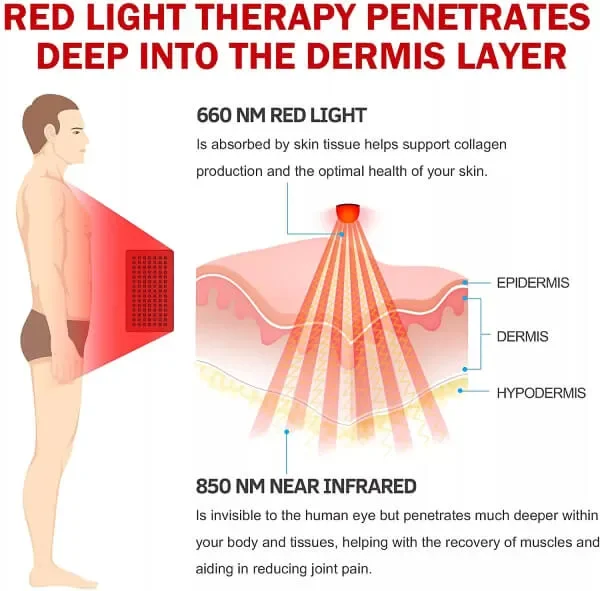
During a session, panels or handheld devices emit red and near-infrared light toward targeted areas of the body. These wavelengths are chosen because they can pass through the outer layers of the skin more effectively than many other forms of light.
Once the light reaches the skin, a portion is reflected, while the rest continues deeper into soft tissue. Near infrared wavelengths are particularly valued for their ability to penetrate further beneath the surface, which is why they are commonly used in professional systems for joint comfort, muscle recovery, and wound healing support.
Step 2: Cells Absorb Light Energy Photobiomodulation
As light enters the tissue, specialized molecules inside cells absorb that energy. This is the essence of photobiomodulation. Certain cellular components are sensitive to light and respond when exposed to the appropriate wavelength.
One key target is an enzyme within mitochondria that plays a role in cellular respiration. Light exposure can influence how efficiently this enzyme functions, setting the stage for broader biological effects throughout the tissue.
Step 3: Mitochondria Increase Cellular Energy ATP Production
Mitochondria are often called the power plants of the cell because they generate ATP, the molecule that fuels nearly every cellular process. When red light therapy interacts with mitochondria, research suggests it can enhance ATP production.
More available energy allows cells to perform their natural roles more effectively, including building collagen, repairing damaged tissue, regulating inflammation, and supporting healthy turnover in the skin. This boost in cellular energy is one of the primary reasons red light therapy has been studied for applications ranging from wrinkle reduction and acne care to hair loss support and post exercise recovery.
Step 4: Improved Circulation and Cellular Communication
Red light therapy may also influence nitric oxide, a molecule involved in blood vessel relaxation. When nitric oxide activity increases, blood vessels can widen slightly, which supports healthy blood flow and oxygen delivery to tissues.
Improved circulation means nutrients reach cells more efficiently and metabolic waste is cleared more effectively. At the same time, cells communicate with one another through signaling pathways that help coordinate healing and regeneration. These changes are believed to contribute to the refreshed, energized feeling many people report after sessions.
Step 5: Reduced Inflammation and Support for Tissue Repair
Inflammation is a natural response to injury or stress, but when it becomes excessive or chronic, it can slow healing and contribute to discomfort or premature skin aging. Studies suggest that red light therapy can influence inflammatory markers and oxidative stress within tissues.
By calming inflammatory pathways and supporting cellular repair processes, red light therapy may help create an environment that favors recovery, smoother skin texture, and improved joint comfort over time.
How These Cellular Effects Translate into Visible Benefits
The microscopic changes triggered by red light therapy can add up to noticeable improvements on the surface of the body. Increased ATP production and circulation may support faster recovery after workouts, improved wound healing, and reduced muscle soreness.
In the skin, enhanced collagen synthesis and healthier cellular turnover may contribute to improved firmness, fewer visible wrinkles, and a brighter overall appearance. People exploring red light therapy for acne often appreciate its calming effect on inflamed skin, while those concerned about hair thinning may seek scalp treatments designed to stimulate follicles and circulation.
What Factors Affect How Well Red Light Therapy Works?
Several variables influence treatment effectiveness, including wavelength, intensity, distance from the device, length of each session, and frequency over time. Professional devices used in medical spas are engineered to deliver consistent output that aligns with clinical evidence.
Individual biology also matters. Age, lifestyle, underlying health conditions, and the specific concern being addressed all play roles in how quickly results appear. Consistency is key. Red light therapy typically works best when incorporated into a regular wellness or skin care plan rather than used as a one-time experience.
Is Red Light Therapy Safe Based on How It Works?
Because red light therapy does not rely on heat damage or ultraviolet radiation, it is generally considered safe for most individuals when administered correctly. Research into photobiomodulation has focused heavily on safety, and many professional devices follow strict guidelines for exposure levels.
Protective eyewear is often recommended when treating the face, and sessions are timed carefully to avoid overstimulation. Individuals who are pregnant, have photosensitive conditions, or take medications that increase sensitivity to light should consult a medical professional before starting treatment.
Why Med Spas Offer Red Light Therapy
Medical spas bridge the gap between wellness and clinical care, making them an ideal environment for red light therapy. These settings use advanced devices, trained providers, and personalized protocols tailored to individual goals.
Red light therapy is frequently paired with services such as microneedling, injectable treatments, body contouring programs, or recovery-focused modalities to support healing and enhance outcomes. Its versatility and minimal downtime make it appealing to clients seeking both aesthetic improvements and whole body wellness.
Interested in Trying Red Light Therapy? Experience It at Thrive Medical Spa
Understanding how red light therapy works is the first step toward deciding whether it fits into your wellness or skin health routine. At Thrive Med Spa, treatments are customized to align with your goals, whether that includes collagen support, post-workout recovery, or overall rejuvenation.
About Thrive Medical Spa
As a premier Greater Cincinnati med spa that believes beauty is for everyone, Thrive Medical Spa offers evidence-based aesthetic and wellness services in a welcoming, elevated environment. Our team prioritizes education, personalization, and advanced technology to help clients feel confident, healthy, and supported at every stage of their journey.
Frequently Asked Questions (FAQs)
How does red light therapy work in the body?
Red light therapy works by delivering specific wavelengths of light that penetrate tissue and stimulate mitochondria, increasing ATP production and influencing circulation, inflammation, and cellular repair.
What happens at the cellular level during red light therapy?
During red light therapy, cells absorb light energy through photobiomodulation, which enhances mitochondrial function, supports communication between cells, and encourages regenerative processes.
How deep does red light therapy penetrate the skin?
Red light therapy penetration depends on wavelength, with near infrared light typically reaching deeper tissues than visible red light.
Is red light therapy scientifically proven?
Red light therapy research continues to expand, and many studies support its effects on circulation, inflammation, skin quality, and recovery, though results vary by protocol and individual.
Why does red light therapy take time to work?
Red light therapy can require consistent sessions over weeks to see visible changes because cellular remodeling and collagen production occur gradually.
Does red light therapy work the same for everyone?
No, red light therapy does not work the same for everyone. Age, health status, treatment goals, and consistency all influence outcomes.
Is red light therapy the same as infrared therapy?
While red light therapy and infrared therapy are related, they are not identical. Red light therapy typically uses visible red and near infrared wavelengths, while infrared sauna therapy relies primarily on heat.
How is red light therapy different from laser treatments?
Lasers deliver concentrated beams designed to resurface or ablate tissue, while red light therapy uses low-level light that stimulates cells without damaging skin.
Do at-home red light devices work the same way as professional treatments?
Home devices for red light therapy can provide convenience but usually deliver lower power levels and less consistent exposure than professional systems.
Can red light therapy damage skin cells or DNA?
When used appropriately and with professional-grade devices, red light therapy is considered safe and does not damage DNA.
Who should consult a medical professional before using red light therapy?
People who are pregnant, have photosensitive conditions, take light-sensitizing medications, or have certain medical concerns should seek medical guidance before starting red light therapy treatment.